Mental Health is often left out of primary healthcare in the United States. This neglect has been attributed to poor mental health overall, but more specifically among college students. According to the Association for University and College Counseling Center Directors, anxiety disorders are the top mental health concern for college students at 41%. Additionally, 36% experience depression and one-third of college freshman experience some form of mental health issues in general. Being away from home, rigorous course loads, and introduction to drugs and alcohol can put a lot of stress on a person in an already vulnerable time. In the United States, 25% of college campuses don’t have mental health services at all, and 19% report services in place are inadequate. The reality is, many of these counseling services on college campuses are working at capacity, so many students in need of mental help cannot get it immediately or even at all.
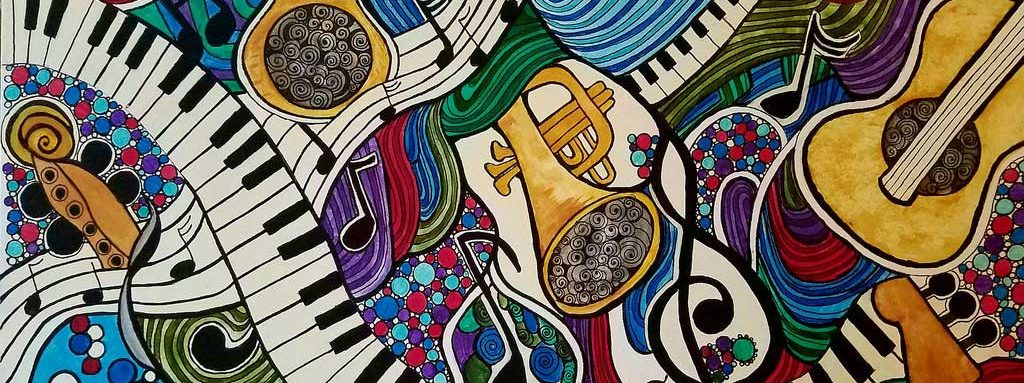
Research illustrates that the most effective way to promote mental health is through education. Many students aren’t aware these services exist, or simply don’t know what good mental health should look like. Arguably though, the biggest factor holding these services back is the stigma that comes along with mental health and the word therapy. Prejudice surrounding mental illness, claiming patients are inherently crazy, violent, lazy, or irresponsible, can have an extremely harmful effect on a person’s desire to reach out for help. Music, art, and expressive forms of therapy work to break down these stereotypes. Although music/art therapy is a legitimate form of psychotherapy, it can be equally effective without a medical professional, or the label therapy. This idea works to normalize the act of art, rather than defining it as therapy. Our group’s mission is to create a safe space on campus where students can simply create. It’s not about the product, but more about the energy that is released when someone whirls their paintbrush on a fresh canvas or strums the strings of a guitar. These are simple things anyone can do on their own. In contrast, group therapy has been found to be arguably even more effective than individual, according to a Psychology Today article. Creating a group here at PSU will allow students a safe space to create, share their stories, challenges, and trauma through art. Creating together provides the individual with a sense of purpose in being a part of a coherent whole, and allows us to see we are a lot more alike than we are different.
~Taylor Catlett
 Music Therapy at PSU